

- |
Winners of the 2023 ONE-SIM Outreach Award for sustainability research make the case for going deep as well as broad. Communities matter, not just clicks.
We have a lot of resources – almost 800 – so there are different ways to access them. Below you’ll find:
Dive in! And if you’re looking for something you can’t find, contact info@nbs.net.
Winners of the 2023 ONE-SIM Outreach Award for sustainability research make the case for going deep as well as broad. Communities matter, not just clicks.

Indigenous insights show how to advance all forms of development, from the economic to the social. A project in Aotearoa/New Zealand shares lessons.
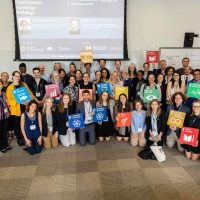
A week focused on responsible management education brought together participants from 75 countries. Here are the visual highlights.

Challenges like climate change and biodiversity loss can be tough to tackle. Here’s a model for taking the first step.

Innovation North’s Compass helps businesses innovate for a better future. It’s a practical guide to positive change.

Sustainability jobs can be emotionally challenging. Can music help us keep going?
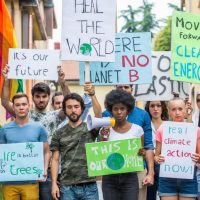
Communication is key for activist impact. Here’s how to be heard on the causes you care about.

“Efficiency culture” poisons partnerships between Western organizations and Indigenous peoples. Here are 4 tips for better partnerships.
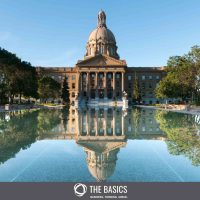
Companies' political engagement should actively support the systems on which we all depend. That’s “Corporate Political Responsibility.”
Partnerships between organizations and Indigenous peoples can help reverse a history of oppression – but require deep relationships and trust.
Who to talk to and what to say to motivate climate action at work.

Find out how business schools are using systems thinking to advance sustainability – and get involved!
Want to explore major themes in sustainable business? Select a high-level topic.
From each of these pages, you’ll be able to drill down by related subtopics.